
January is full of good intentions, and unrealistic promises. The science is clear: lasting health improvements rarely come from radical overhauls. They come from small, repeatable behaviours that compound over time. The most effective habits are also often the simplest and the most affordable.
Below is a research-backed, no-nonsense listicle of healthy habits that genuinely move the needle, alongside practical ways to make them stick beyond February.
1. Walk every day (yes, really)
Why it works
Regular walking is consistently linked to lower all-cause mortality, improved cardiovascular health, better blood sugar regulation, and reduced anxiety and depression. Large cohort studies suggest even 20–30 minutes a day delivers measurable benefit, with no gym membership required.
Why it’s affordable
Free. No equipment. No subscription.
How to stick to it
-
Attach walking to an existing habit (after lunch, before dinner)
-
Aim for consistency, not steps or speed
-
Treat it as non-negotiable “thinking time”, not exercise
Behavioural research shows habit stacking dramatically improves adherence by reducing decision fatigue.
2. Prioritise sleep like a health intervention
Why it works
Sleep affects everything from immune resilience and insulin sensitivity to mood regulation and cognitive performance. Chronic sleep deprivation is associated with increased risk of cardiovascular disease, obesity and neurodegenerative conditions.
Why it’s affordable
Good sleep hygiene costs nothing.
How to stick to it
-
Keep a consistent sleep and wake time (even on weekends)
-
Dim lights and screens 60 minutes before bed
-
Avoid alcohol close to bedtime as it fragments sleep architecture
Sleep researchers consistently emphasise regularity over duration as the strongest predictor of sleep quality.
3. Eat protein at breakfast
Why it works
Protein-rich breakfasts support satiety hormones, stabilise blood glucose and reduce mid-morning cravings. Studies show higher-protein breakfasts are associated with better appetite control and sustained energy.
Why it’s affordable
-
Eat real food like eggs, Greek yoghurt, oats with seeds, lentils - no additional powders required
How to stick to it
-
Rotate 2–3 simple breakfasts you actually enjoy
-
Prepare once, repeat often
-
Don’t aim for perfection. Adequacy beats optimisation
4. Strength train twice a Week
Why it works
Muscle is metabolically active tissue. Maintaining it improves insulin sensitivity, bone density and functional independence with age. Resistance training is now recommended by most public-health bodies for healthy ageing.
Why it’s affordable
-
Bodyweight exercises at home are enough
-
Resistance bands are inexpensive and versatile
How to stick to it
-
Schedule sessions like meetings
-
Keep workouts short (20–30 minutes)
-
Track consistency, not progress metrics
Research shows shorter, consistent workouts outperform sporadic high-intensity plans for long-term adherence.
5. Reduce ultra-processed foods (not entire food groups)
Why it works
Diets high in ultra-processed foods are linked to increased inflammation, poorer gut health and higher cardiometabolic risk. This is less about calories and more about food structure and additives.
Why it’s affordable
-
Fewer packaged snacks = lower spend
-
Whole foods are often cheaper per serving
How to stick to it
-
Replace, don’t restrict (e.g. nuts instead of bars)
-
Focus on ingredient lists, not labels
-
Aim for “mostly whole” and least processed
6. Manage stress through physiology, not willpower
Why it works
Stress is a physiological state, not a mindset problem. Techniques that stimulate the parasympathetic nervous system, such as slow breathing, measurably reduce cortisol and heart rate.
Why it’s affordable
-
No apps required
How to stick to it
-
Try 4-6 slow breaths, twice daily
-
Use transition moments (before meetings, before meals)
-
Think “nervous-system hygiene”, not mindfulness performance
7. Choose fewer supplements, but make them high quality
Why it works
Supplementation is most effective when it is targeted, bioavailable and evidence-led. Research consistently shows that taking multiple low-quality supplements (often imported, under-dosed or poorly absorbed) delivers little benefit and can even create nutrient imbalances. The body doesn’t respond to quantity; it responds to what it can actually absorb and use.
High-quality formulations use:
-
Clinically relevant dosages
-
Bioavailable forms (e.g. methylated B-vitamins)
-
Ingredients that work synergistically rather than compete for absorption
Why it’s more affordable in the long run
Buying five cheap supplements that don’t work is far more expensive than choosing one or two well-formulated products that are designed to deliver real physiological impact.
Premium does not mean excessive - it means effective.
How to stick to it
-
Audit your current supplements: what problem is each one actually solving?
-
Look for UK manufacturing and family-owned businesses
-
Prioritise brands that formulate for bioavailability, not marketing trends
Nutritional science increasingly supports a precision nutrition approach: fewer, better-targeted interventions aligned to real needs rather than generic multivitamin stacking.
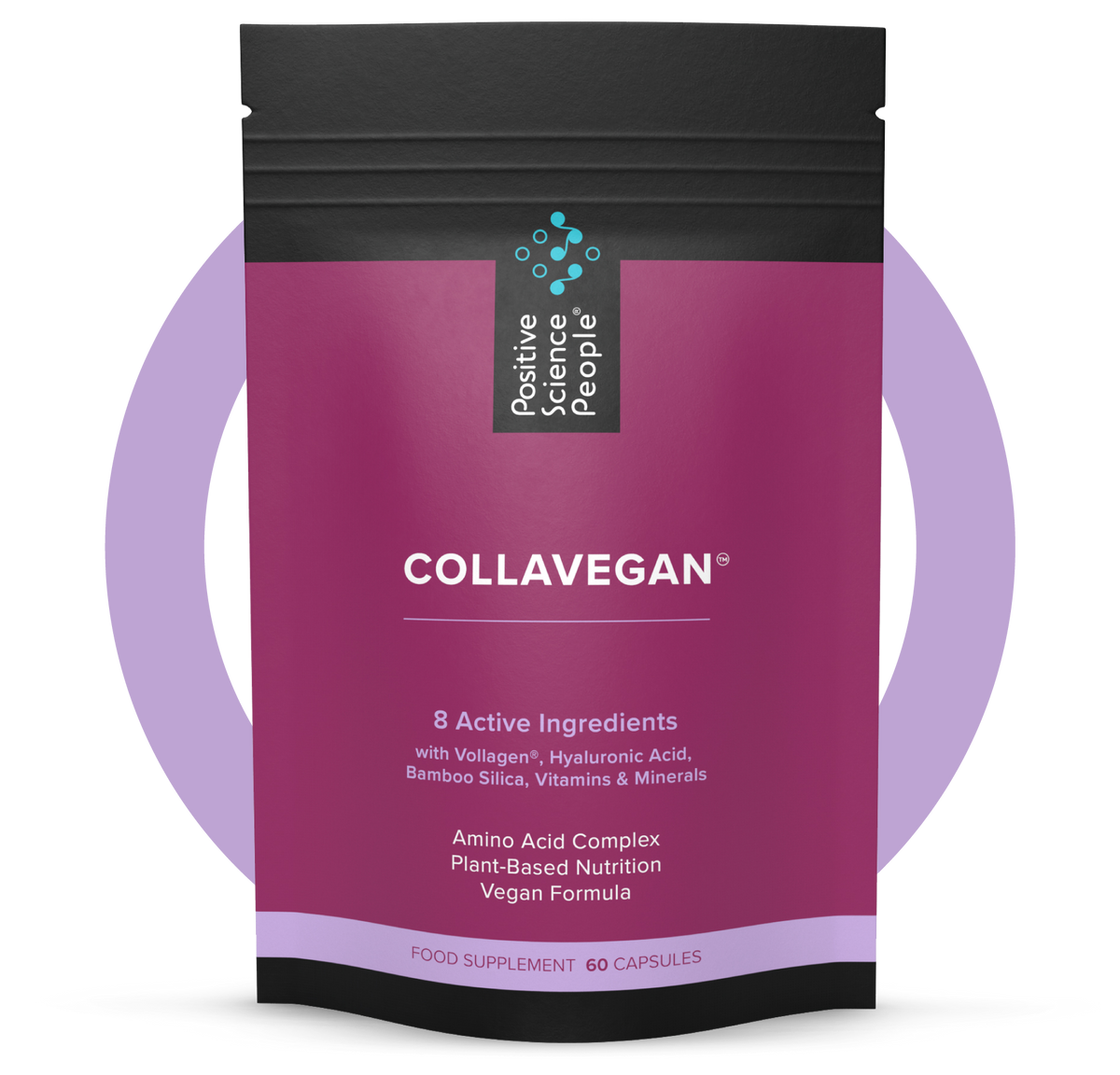
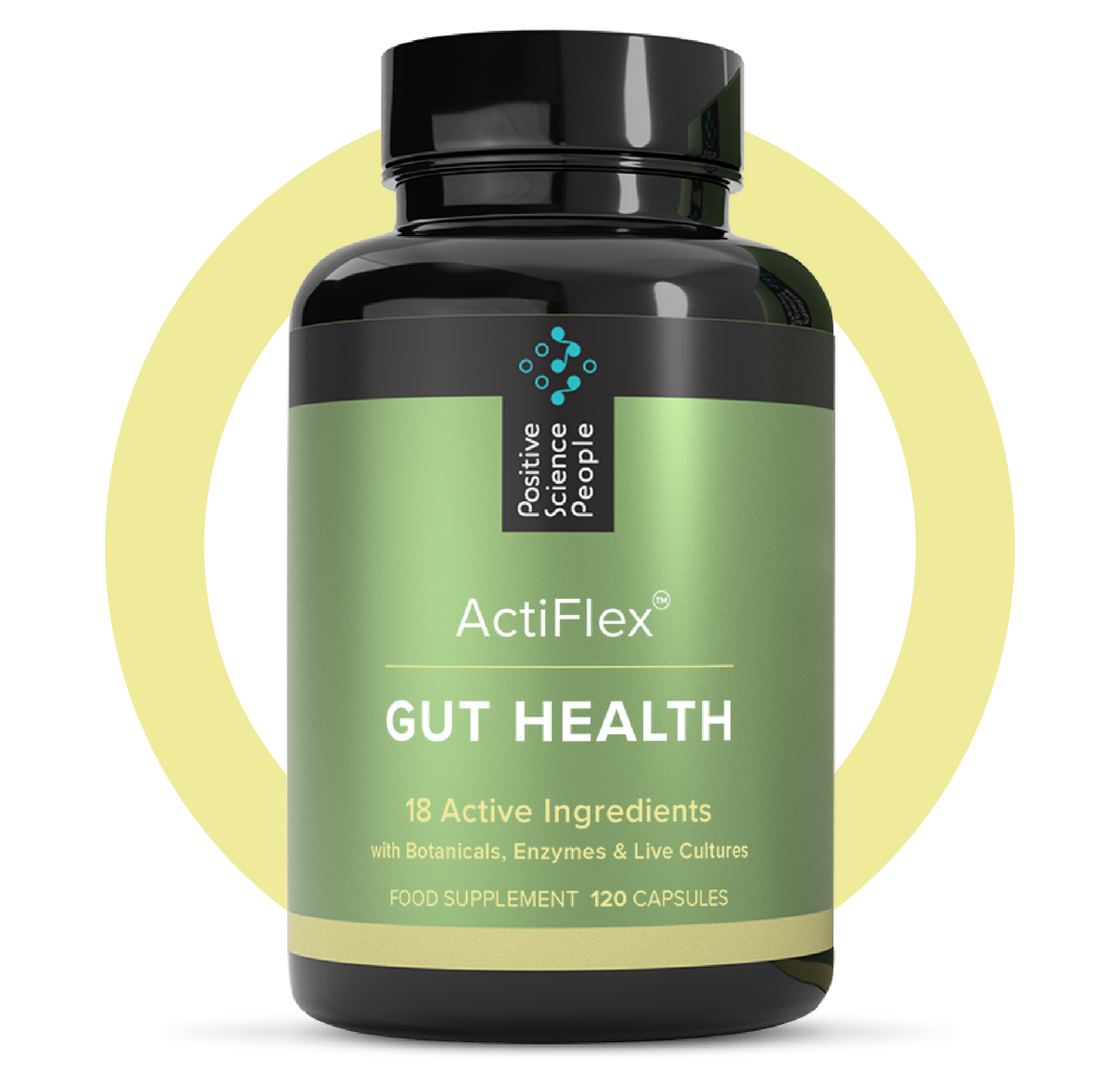
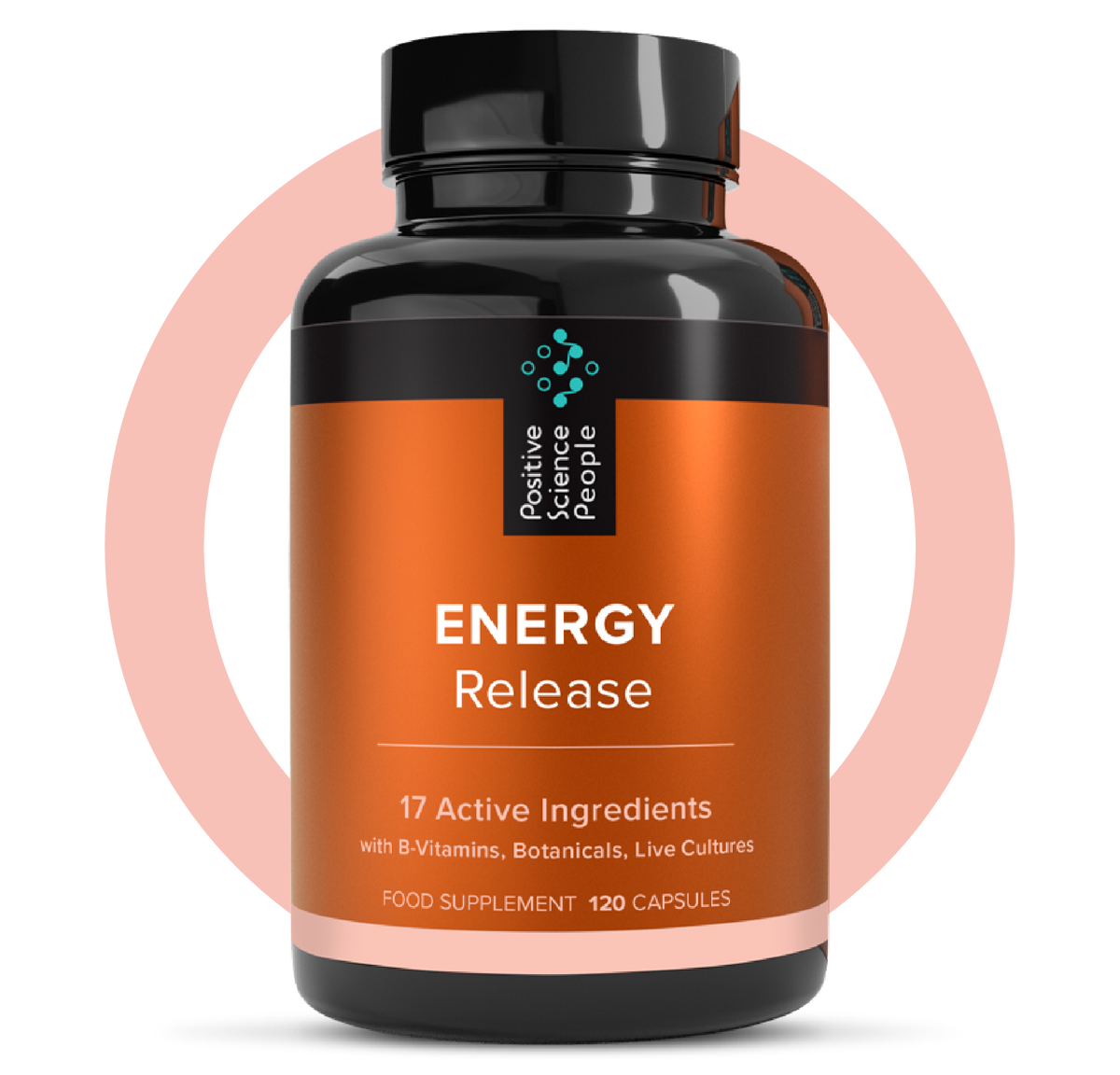
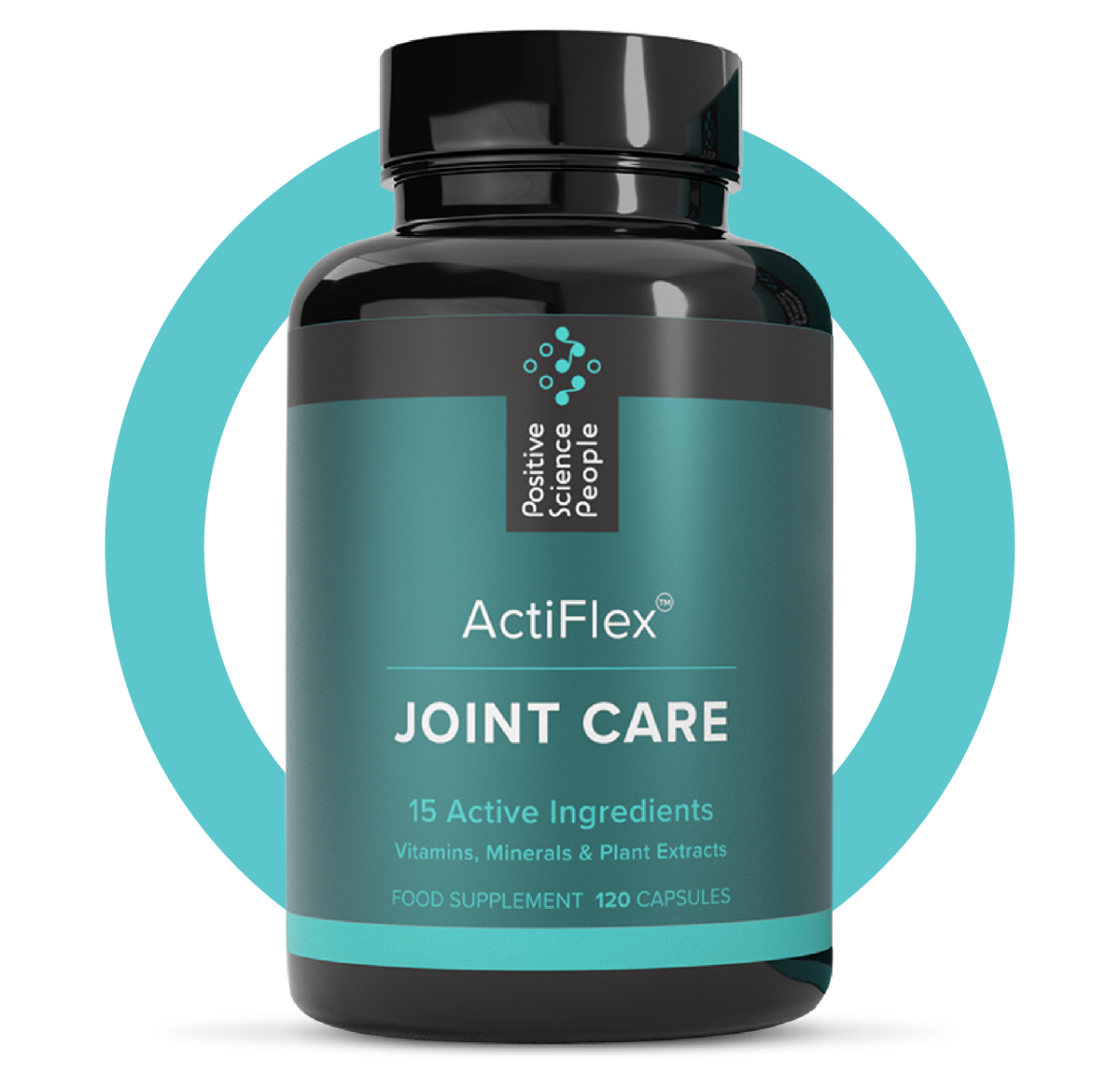
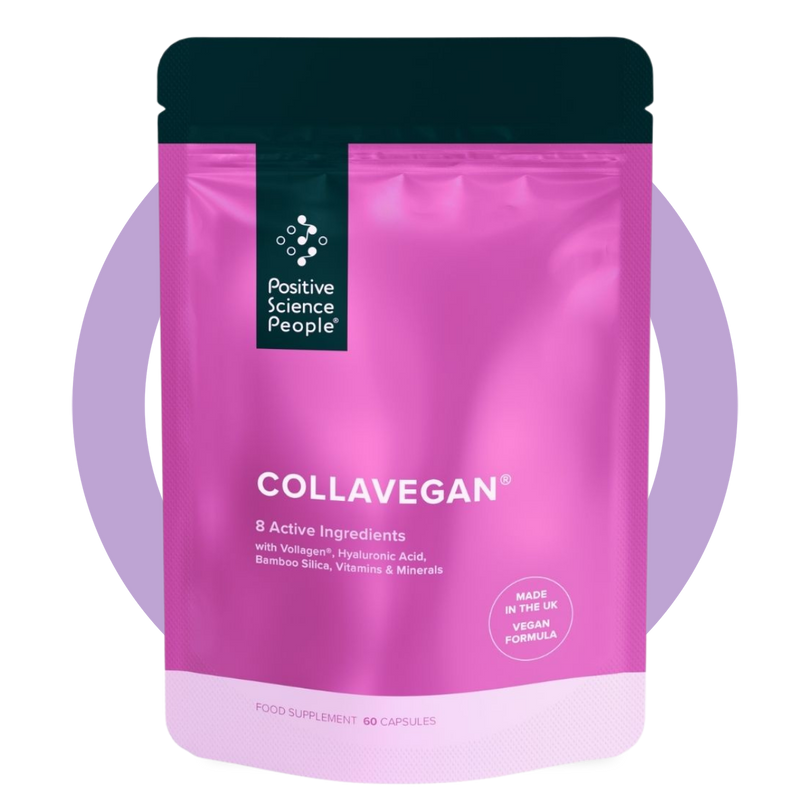
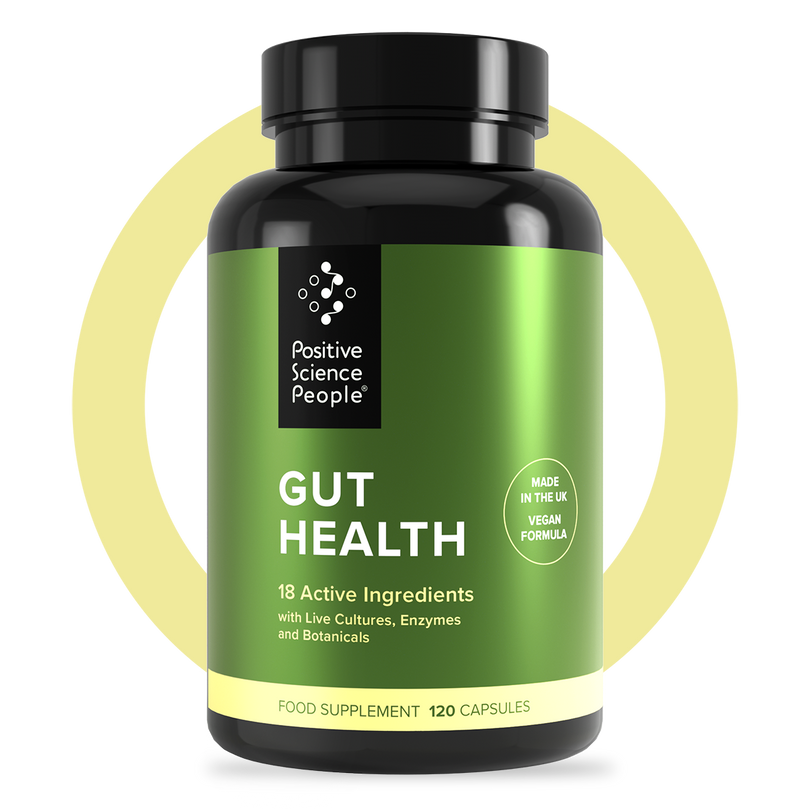
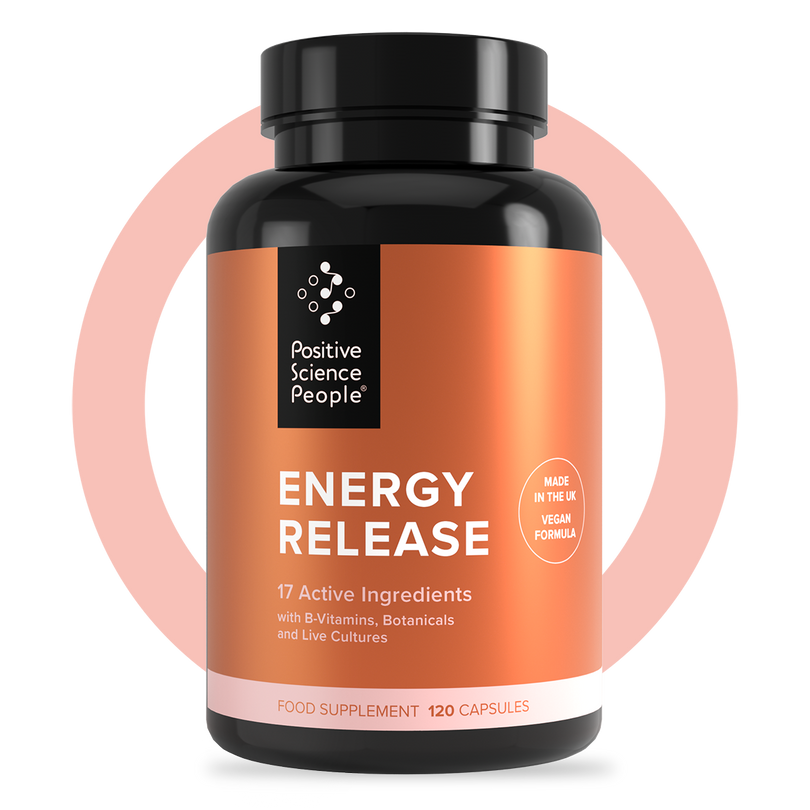
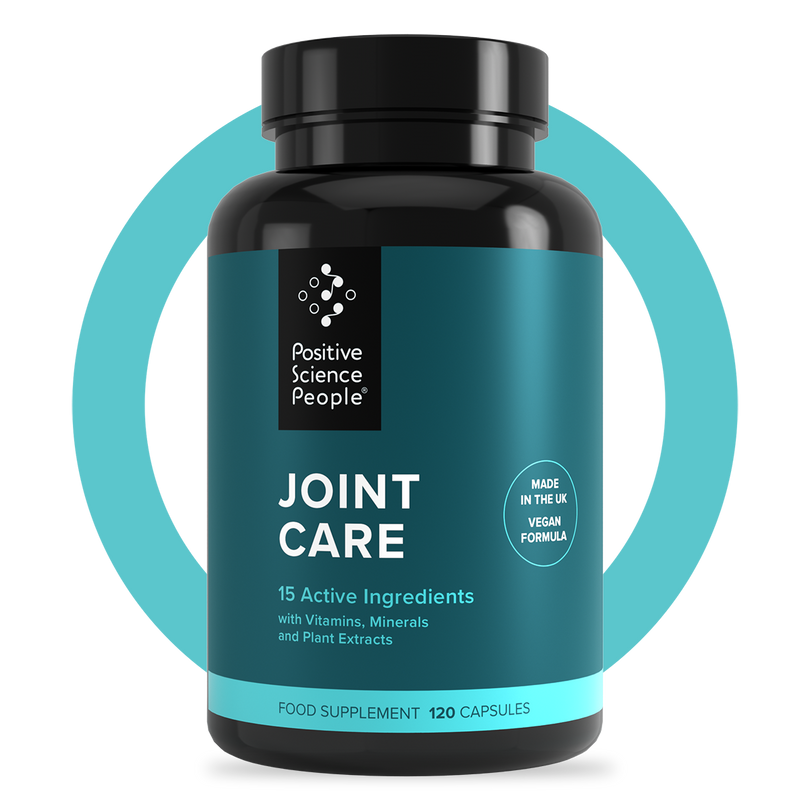
At Positive Science People, this philosophy sits at the heart of formulation: thoughtfully designed, UK-made supplements, built around absorption, synergy and real-world evidence, not filler, hype or dubious sourcing.
How to make healthy habits stick (this is the part most people skip)
The evidence is clear: behaviour change fails not because people lack motivation, but because habits aren’t designed to survive real life.
Three principles that consistently improve success:
-
Lower the activation energy
Make the habit easier than not doing it. -
Focus on identity, not outcomes
“I’m someone who walks daily” beats chasing weight or metrics. -
Track consistency, not intensity
Streaks beat heroics.
The bottom line
Health isn’t built in January, it’s built in repetition. The most powerful habits are often:
-
Unsexy
-
Affordable
-
Backed by decades of research
And they work precisely because they’re sustainable.
This year, skip the overhaul. Build habits that respect your physiology, your budget and your life, and let consistency do the rest.
Because real health progress is quiet, cumulative and evidence-led.